Eczema can be frustrating when itching, redness, dryness, or irritation calms down for a while, only to flare again. For patients seeking eczema treatment in New Jersey, Geria Dermatology provides care from board-certified dermatologists and skin care specialists who evaluate recurring symptoms, possible triggers, and treatment history before recommending a plan.
Why Eczema Often Comes Back
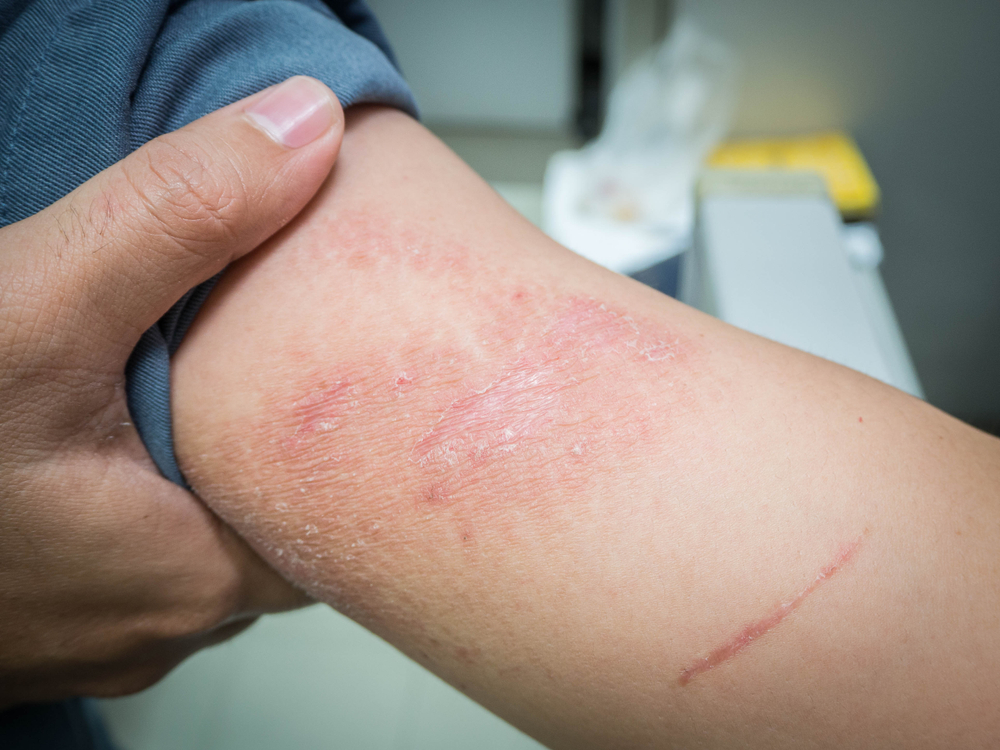
Eczema is a chronic skin condition, which means symptoms may improve and then become active again over time. Even when the skin looks clearer, its protective barrier may still be more sensitive to dryness, irritation, allergens, and inflammation. When that barrier is disrupted, moisture escapes more easily and outside irritants can affect the skin more quickly.
Flare-ups may happen because of one trigger, but many patients have several factors working together. That is why symptoms can reappear even when you are moisturizing or using products that once seemed helpful.
Common Eczema Flare Triggers
Triggers vary from person to person, but recurring irritation is often linked to daily exposures, seasonal shifts, or changes in routine. Common flare triggers include:
- Cold, dry, or rapidly changing weather
- Harsh soaps, fragrances, detergents, or skincare products
- Sweating, heat, or friction from clothing
- Stress or lack of sleep
- Allergens such as pollen, dust mites, or pet dander
- Scratching, which can worsen inflammation
- Inconsistent moisturizing or stopping medication too soon
Why Over-the-Counter Care May Not Be Enough
Moisturizers and gentle skincare habits are important, but they may not fully control eczema when inflammation is active. If itching, cracking, scaling, or rash keeps coming back, your skin may need a more targeted plan.
A dermatology visit can help determine whether your symptoms are eczema or another condition that can look similar, such as contact dermatitis, psoriasis, fungal irritation, or an allergic reaction. From there, care may include prescription topical medication, non-steroid options, infection treatment when needed, trigger guidance, or advanced therapies for more persistent cases.
How Dermatology Care Can Help Reduce Flares
Long-term eczema care is about more than calming the current flare. It also involves identifying what makes your skin more reactive and building habits that are realistic to maintain. During a visit, your provider may review where symptoms appear, how often they return, which products you use, and whether itching is affecting sleep or daily comfort.
For some patients, small changes in bathing, moisturizing, clothing, or product selection can make a meaningful difference. For others, prescription care may be needed to calm inflammation and protect the skin over time.
When to Make an Appointment
You should consider dermatology care if eczema keeps returning, spreads, becomes painful, cracks or bleeds, disrupts sleep, or does not improve with gentle skincare. It is also important to seek care if the skin looks infected, feels warm, develops crusting, or becomes increasingly tender.
If flare-ups are becoming more frequent or harder to control, contact us to visit Geria Dermatology in New Jersey. Our dermatology practice proudly serves patients in Essex and Bergen counties, including Verona, Rutherford, Montclair, Nutley, Bloomfield, Caldwell, Essex Fells, Lyndhurst, Clifton, and Cedar Grove. Please call 201-623-8000 to connect with our team