Have you noticed a persistent scaly patch, sore, or bump on your skin that doesn’t seem to heal? While many skin changes are harmless, some may be signs of squamous cell carcinoma (SCC), one of the most common forms of skin cancer.
Knowing the warning signs and seeking prompt care can significantly impact treatment outcomes. At Geria Dermatology, our team of skin experts have extensive experience diagnosing and treating SCC and other types of skin cancer. We provide comprehensive, patient-focused care using the latest proven treatment approaches.
Our dermatology practice proudly serves patients in Essex and Bergen counties, including Verona, Rutherford, Montclair, Nutley, Bloomfield, Caldwell, Essex Fells, Lyndhurst, Clifton, and Cedar Grove.

What Is Squamous Cell Carcinoma?
Squamous cell carcinoma is a form of cancer that develops in the squamous cells that make up the outer layer of the skin. It often appears as a scaly red patch, a firm bump, a wart-like growth, or a sore that does not heal. Other early signs may include a rough or crusted spot, a tender area that bleeds easily, persistent skin irritation, or a growth that gradually increases in size.
While SCC is most commonly found on sun-exposed areas of the skin, such as the backs of the hands, ears, and lips, it can also develop in areas that receive little or no sun exposure. In people with darker skin tones, SCC may occur on the genitals or other non-sun-exposed areas, suggesting that factors beyond UV exposure—such as a weakened immune system or other underlying conditions—may play a role.
Squamous Cell Carcinoma Risk Factors
Several factors are linked to a higher risk of developing squamous cell carcinoma:
- Prolonged exposure to UV radiation
- Having fair skin, light-colored eyes, or a history of frequent sunburns
- Advancing age
- A weakened immune system
- Previous skin cancer
- Chronic skin inflammation or scars
- Exposure to certain chemicals, such as arsenic
- Having certain strains of the human papillomavirus (HPV)
Regular skin checks are critical for those with multiple risk factors.
Diagnosing Squamous Cell Carcinoma
Squamous cell carcinoma is typically diagnosed through a skin examination performed by a dermatologist. During the evaluation, the provider will assess the size, shape, color, and texture of suspicious lesions and review your medical history, including sun exposure and any prior skin cancers.
If SCC is suspected, a skin biopsy is usually performed. This involves removing all or part of the abnormal tissue and sending it to a laboratory for microscopic examination. A pathologist then determines whether cancer cells are present and, if so, the type and extent of the cancer.
Common Squamous Cell Carcinoma Treatments
As with most cancer treatments, the first and foremost solution is surgical excision. Other options could include:
- Mohs surgery: Performed in stages, Mohs surgery involves removing the visible tumor and a very small margin of tissue around and beneath the tumor site. This “clean” tissue is then examined under a microscope to determine whether any remaining cancerous cells are present. If so, the surgeon will remove more tissue from the area where the cancer cells are located.
- Electrosurgery: Curettage and electrodesiccation (C&E) requires scraping or shaving off the squamous cell carcinoma with a sharp instrument called a curette. This procedure can be repeated several times during the same session to ensure that no cancerous cells remain.
- Radiation: By using low-energy X-ray beams, the surgeon can destroy tumors without making an incision or using anesthesia. This approach requires multiple treatments over a specified period.
- Topical medications: Creams and gels can be directly applied to the skin affected by SCC with minimal risk of scarring. Depending on the type of medication you use, it can either improve your immune system or penetrate the deeper layers of your skin to attack any cancerous and precancerous cells.

Squamous Cell Carcinoma Treatment Recovery
Recovery from treatment for squamous cell carcinoma varies depending on the chosen method. After surgical excision, patients may experience temporary discomfort, swelling, and scarring that improve over time. Radiation therapy may lead to skin redness or irritation in the treated area, with side effects subsiding within weeks. Topical medications may cause skin changes at the site of application.
Regular follow-up appointments are essential for monitoring progress and addressing your questions and concerns. Patients are advised to protect their skin from sun exposure and to adopt a diligent skincare routine to aid healing and reduce the risk of recurrence.
Why Choose Geria Dermatology for Squamous Cell Carcinoma Treatment in Rutherford, NJ?
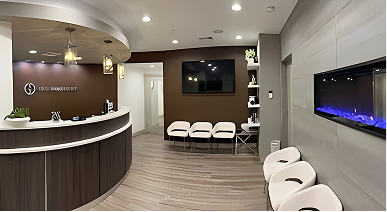
At Geria Dermatology, you’ll experience the difference of a boutique, physician-led practice—where care is personal, thoughtful, and never rushed. We are not a corporate, private equity–backed dermatology group. Instead, our focus is on building long-term relationships and delivering treatments that are guided by quality, integrity, and results—not volume.
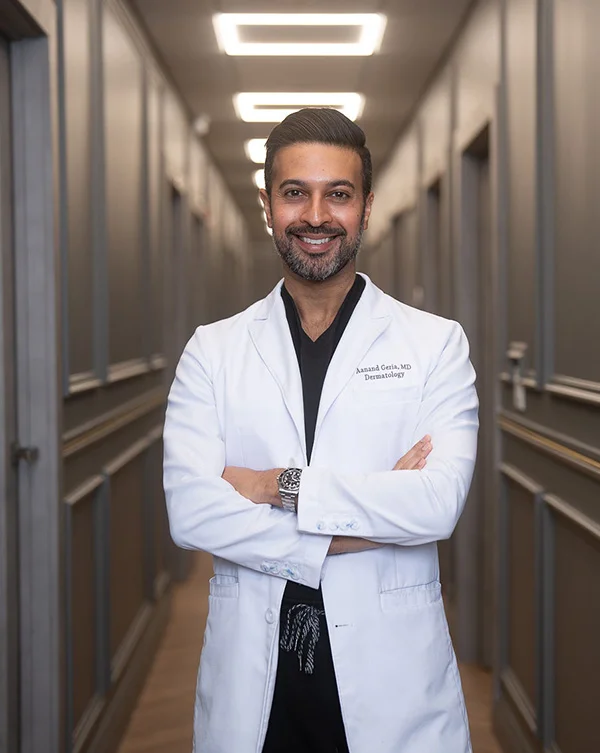
Here, your treatment is provided by a collaborative team of board-certified dermatologists and highly experienced, board-certified physician assistants who work closely together to ensure consistency, safety, and exceptional outcomes. This team-based approach allows us to offer comprehensive care while maintaining the warmth and attention of a smaller practice.
Patients choose Geria Dermatology for our boutique experience, trusted medical expertise, and refined cosmetic approach—all delivered in a practice where your skin and confidence truly come first.
Squamous Cell Carcinoma FAQs
Contact Us
Dedicated to Exceptional Service
To begin your journey toward effective treatment for squamous cell carcinoma at Geria Dermatology, schedule a consultation. During this appointment, our expert team will evaluate your case, perform necessary diagnostics, and discuss a personalized treatment plan tailored to your needs.
Our patient-centered approach ensures that you receive the highest level of care and support. To schedule your consultation, you can reach the office by phone at (201) 623-8000 or through our website.