Skin cancer treatment does not end once the cancer is removed. Recovery plays an important role in protecting your results and helping the area heal properly. For patients having Mohs surgery in Verona, NJ, Geria Dermatology provides precise skin cancer care with attention to healthy tissue preservation, wound repair, and follow-up. Our board-certified dermatologists and skin care specialists take a team-based approach to helping patients understand each stage of treatment and recovery.
What Happens Right After Mohs Surgery?
Mohs surgery is performed in stages. After each thin layer of tissue is removed, it is examined under a microscope to check for remaining cancer cells. Once the area is clear, the wound is repaired based on its size, depth, and location.
Some wounds are closed with stitches. Others may need a flap, graft, or a repair plan that allows the area to close gradually on its own. Your dermatologist will choose the method that best supports cancer removal, function, and cosmetic outcome.
How Long Does Mohs Surgery Recovery Take?
Recovery time depends on where the skin cancer was removed, how large the wound is, and how the area was repaired. Many patients return to light daily activities soon after the procedure, but you may need to avoid strenuous exercise, heavy lifting, or bending for a short time to lower the risk of bleeding or swelling.
Mild tenderness, bruising, swelling, or tightness around the treated area is common. These symptoms usually improve as the skin heals. If you have stitches, your team will let you know when they should be removed. Timing can vary based on the location of the repair and your individual healing needs.
How to Care for Your Skin After Mohs Surgery
Following your dermatologist’s instructions is one of the most important parts of recovery. Proper wound care can protect the site, reduce irritation, and promote smoother healing.
Your instructions may include:
- Keep the dressing in place as directed. Avoid removing it too early unless your dermatologist tells you to do so.
- Clean the area gently. Use the method recommended by your care team, and do not scrub the incision or wound.
- Apply ointment if instructed. Keeping the wound moist may help limit scabbing and support repair.
- Avoid strenuous activity. Exercise, lifting, and bending can increase pressure around the surgical site.
- Protect the area from sun exposure. Healing skin is more sensitive to sunlight, and UV exposure can make scars look darker.
Will Mohs Surgery Leave a Scar?
Any surgery can leave a scar, but Mohs removes skin cancer in thin, targeted layers to preserve as much healthy tissue as possible. This is one reason it is often used for skin cancers on cosmetically sensitive areas such as the face, ears, lips, scalp, and eyelids.
If you are concerned about how a scar is healing, your dermatologist can evaluate the area and discuss options such as scar massage, silicone-based products, laser treatments, or other approaches when appropriate.
When Should You Call Your Dermatologist After Mohs Surgery?
Most surgical sites heal without major issues, but it is important to know when to check in. Contact your dermatologist if you notice symptoms such as:
- Bleeding that does not improve with firm pressure
- Worsening pain, warmth, redness, or swelling
- Pus or drainage from the wound
- Fever or chills
- Stitches that open unexpectedly
- A wound that is not improving as expected
Follow-Up Care and Future Skin Checks
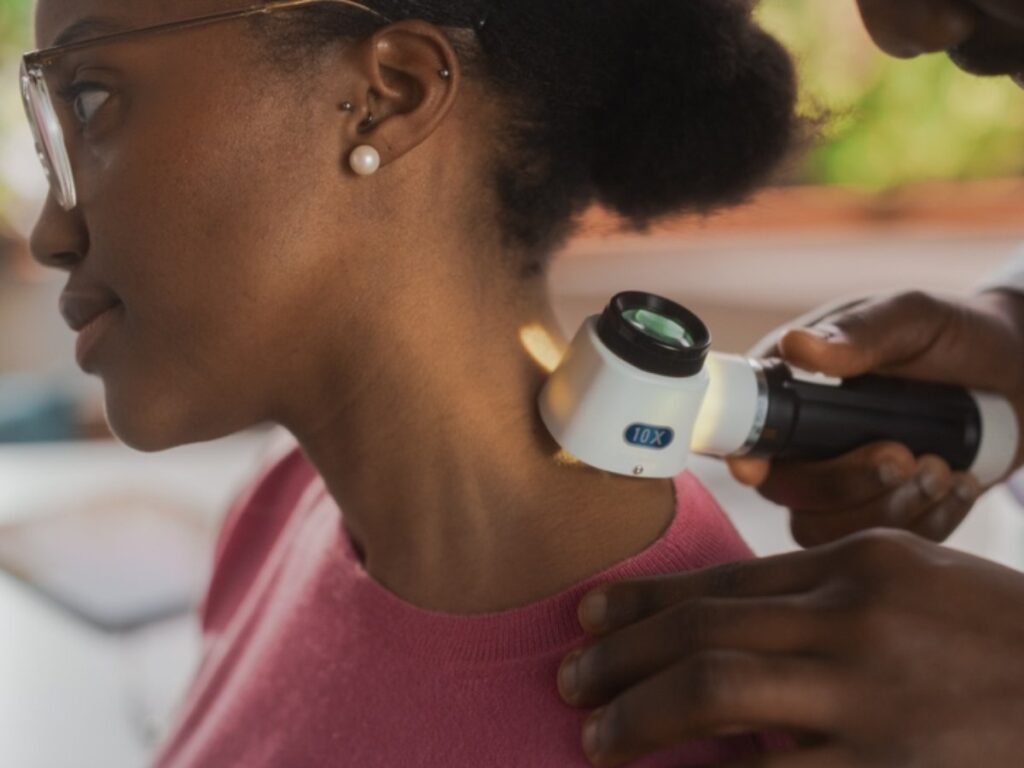
After Mohs surgery, follow-up visits allow your dermatologist to monitor the repair and watch for new or recurring skin cancers. A history of skin cancer also makes routine skin exams, daily sun protection, and at-home skin checks especially important.
Geria Dermatology offers skin cancer care for patients in Rutherford, Verona, and surrounding New Jersey communities. Our team can help you understand your risk factors, build a prevention plan, and identify concerning changes early. Our dermatology practice proudly serves patients in Essex and Bergen counties, including Verona, Rutherford, Montclair, Nutley, Bloomfield, Caldwell, Essex Fells, Lyndhurst, Clifton, and Cedar Grove.
Recovery can feel easier when you know the next steps and have a team available for guidance. For Mohs surgery recovery questions or follow-up care in Verona, NJ, contact us at Geria Dermatology or call 201-623-8000.