Have you recently noticed a mole that’s changing or a new spot that doesn’t look quite right? Concerns like these can be unsettling, especially when melanoma is a possibility. Understanding what to look for—and where to turn for treatment—can make all the difference.
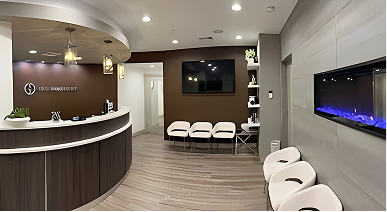
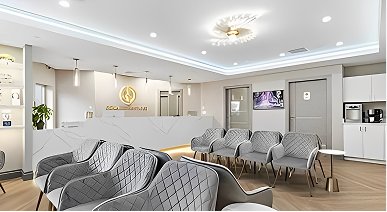
At Geria Dermatology, patients receive focused, physician-led care for melanoma, with an emphasis on safety and thorough evaluation. With locations in Verona and Rutherford, the practice serves surrounding communities with a team experienced in diagnosing and treating skin cancer at every stage.
What is Melanoma
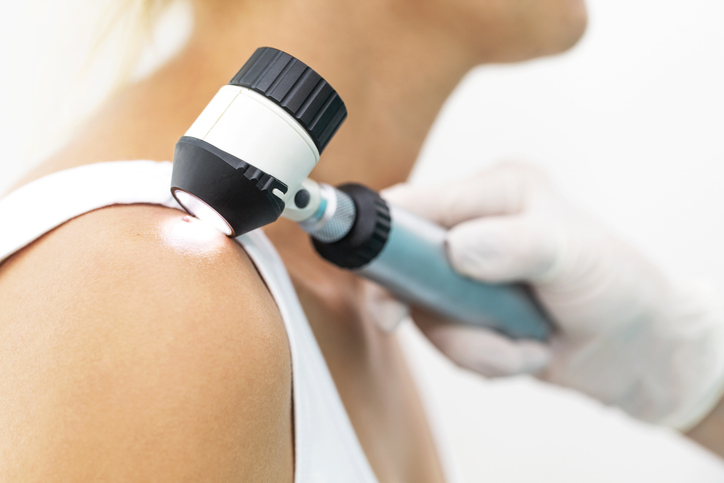
Melanoma is a type of skin cancer that develops in melanocytes, the cells that produce melanin, which gives skin its color. It often appears as a new spot or a change in an existing mole.
Melanoma can occur anywhere on the body, but is most commonly found in areas exposed to the sun.
If left untreated, melanoma can spread to other parts of the body and become life-threatening. Early detection and professional treatment are crucial for successful outcomes.
Common Melanoma Causes
Melanoma is primarily caused by exposure to ultraviolet (UV) radiation. Other risk factors include fair skin, a history of sunburns, numerous or unusual moles, a weakened immune system, and a family history of melanoma.
However, it’s essential to note that not everyone with these risk factors will develop melanoma, and individuals without them can still develop it. Regular skin checks and sun protection, such as SPF measures, are crucial for prevention and early detection.
Types of Melanoma
Each type of melanoma has its own unique characteristics:
- Superficial spreading melanoma: The most common type that tends to grow across the skin before going deeper.
- Nodular melanoma: More aggressive and often appears as a raised, dark bump that grows quickly.
- Lentigo maligna melanoma: Typically develops on sun-damaged skin in older adults and progresses slowly.
- Acral lentiginous melanoma: Occurs on the palms, soles, or under nails and is more common in people with darker skin tones.
The ABCDE Rule for Evaluating Moles
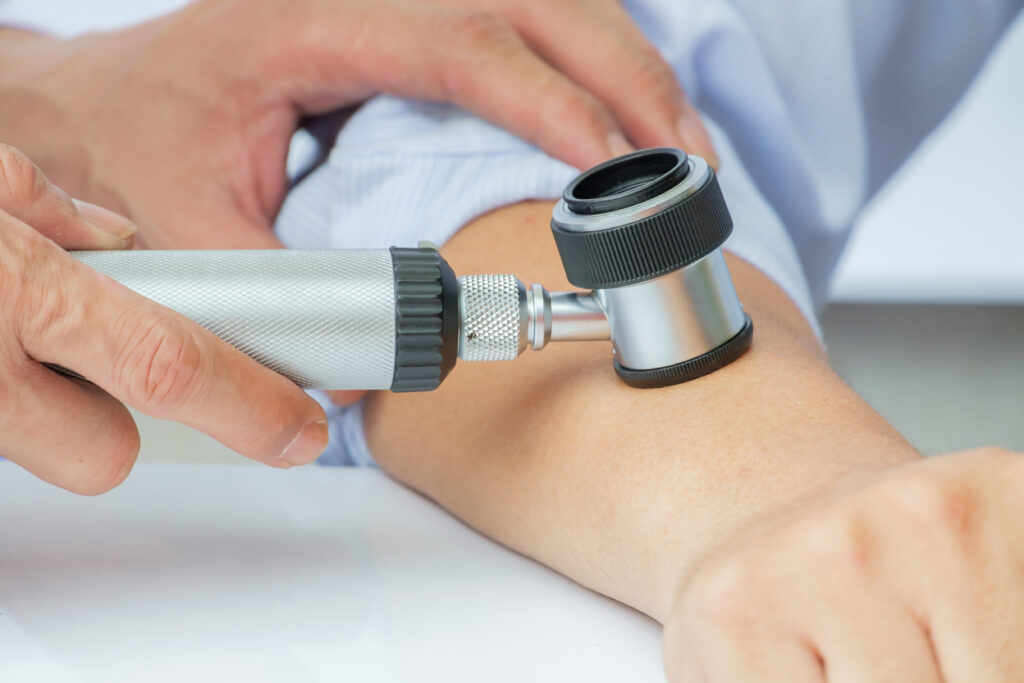
The ABCDE rule is a simple way to assess whether a mole could be suspicious:
- “A” stands for asymmetry, where one half doesn’t match the other.
- “B” refers to irregular or blurred borders.
- “C” means color variation, such as shades of brown, black, red, or white within the same spot.
- “D” is diameter, typically larger than 6 millimeters (about the size of a pencil eraser).
- “E” stands for evolving, meaning any change in size, shape, color, or symptoms.
Common Melanoma Treatments
Common treatments for melanoma at Geria Dermatology include:
- Surgical excision: This is a popular approach among our team to remove the melanoma surgically, with a margin of normal skin around it.
- Mohs surgery: This specialized surgical technique is used to treat melanomas on the face or in other areas where preserving healthy tissue is crucial.
- Lymph node biopsy and dissection: If melanoma has spread to nearby lymph nodes, they may need to be surgically removed.
Other routes include:
- Immunotherapy
- Targeted therapy
- Radiation therapy
The choice of treatment depends on factors such as the stage of the melanoma, its location, and the patient’s overall health.
Melanoma Treatment Recovery
Melanoma treatment recovery varies depending on the type of treatment received and the individual’s overall health. After surgical procedures, such as excision or Mohs surgery, patients may experience some swelling and bruising at the surgical site. It’s important to keep the wound clean and dry and avoid strenuous activities.
Recovery from immunotherapy or targeted therapy may involve managing side effects such as fatigue, nausea, and skin rash, which can vary in severity. Patients should promptly communicate any concerns or unexpected symptoms to their healthcare team.
Maintaining a healthy lifestyle, including proper nutrition, hydration, and adequate rest, can support the body’s healing process and optimize recovery.
Why Choose Geria Dermatology?
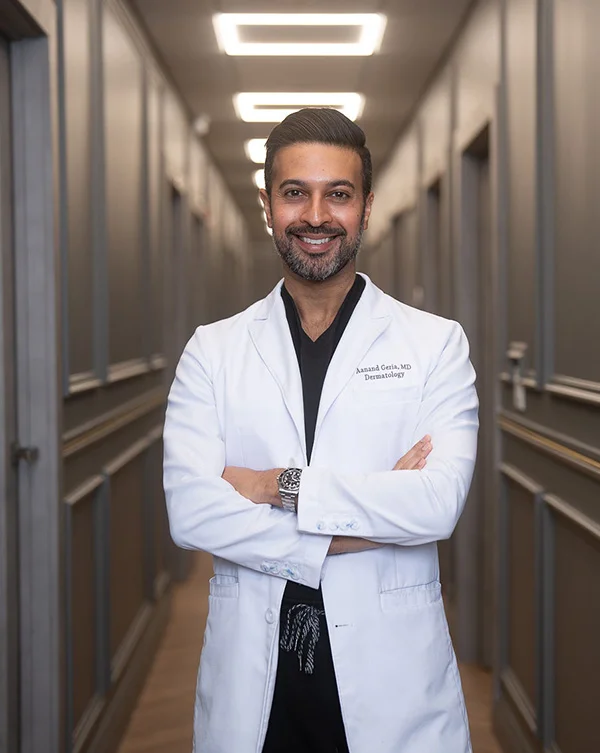
At Geria Dermatology, you’ll experience the difference of a boutique, physician-led practice—where care is personal, thoughtful, and never rushed. We are not a corporate, private equity–backed dermatology group. Instead, our focus is on building long-term relationships and delivering care that is guided by quality, integrity, and results—not volume.
Your care is provided by a collaborative team of board-certified dermatologists and highly experienced, board-certified physician assistants who work closely together to ensure consistency, safety, and exceptional outcomes. This team-based approach allows us to deliver comprehensive care while maintaining the warmth and attention of a smaller practice.
We offer full-spectrum medical dermatology, including skin cancer screenings and Mohs micrographic surgery, alongside advanced cosmetic services such as injectables, lasers, and skin rejuvenation. Our deep medical expertise informs every cosmetic treatment, allowing us to prioritize natural-looking results and long-term skin health.
Patients choose Geria Dermatology for our boutique experience, trusted medical expertise, and refined cosmetic approach—all delivered in a practice where your skin and confidence truly come first.
FAQs
Contact Us
Dedicated to Exceptional Service
To schedule your consultation with one of our trained specialists at our Rutherford or Verona location, call Geria Dermatology today at 551.349.6780. You can also use the contact form on our website to inquire about a procedure, and one of our patient coordinators will get back to you soon.