Psoriasis
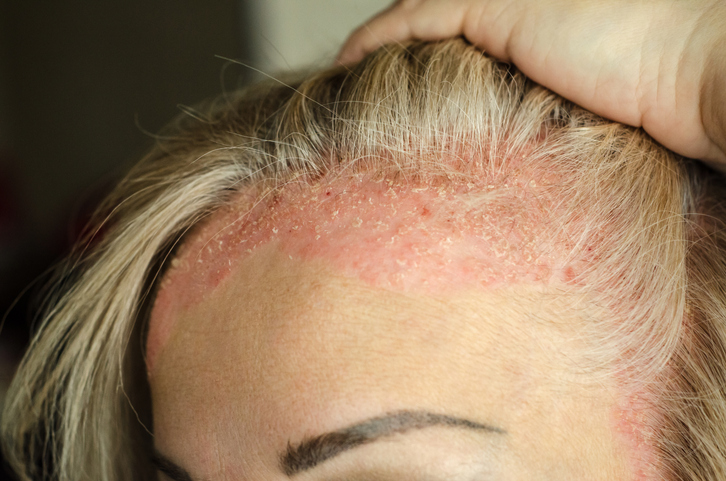
Psoriasis is a common, chronic inflammatory disease of the skin that makes skin cells grow faster than usual, causing them to accumulate. The rapid turnover of skin cells leads to the buildup of thick, red, and scaly patches on the skin’s surface. These patches, known as plaques, can be itchy, painful, and sometimes even crack and bleed. Approximately 3% of the US population (7.5 million adults) suffer from this painful, immune-mediated condition which often affects the patients mental health and quality of life. If you’re living with psoriasis, you can find the latest and most effective treatments at Geria Dermatology. Recent advancements in medicine have made available cutting edge treatments like biologics, that were not available in the past, and have proven to be effective with a significant portion of Psoriasis patients.
As one of the most recognized and experienced dermatology practices in New Jersey, we’ve treated patients with psoriasis for several years and have developed expertise in addressing the condition. To learn more, call or book your appointment online today.
Our Verona, NJ and Rutherford, NJ, dermatology practice is conveniently located to serve psoriasis patients in Montclair, Nutley, Bloomfield, Caldwell, Essex Falls, Lyndhurst, Clifton, and Cedar Grove, Essex and Bergen Counties.
What is Psoriasis?
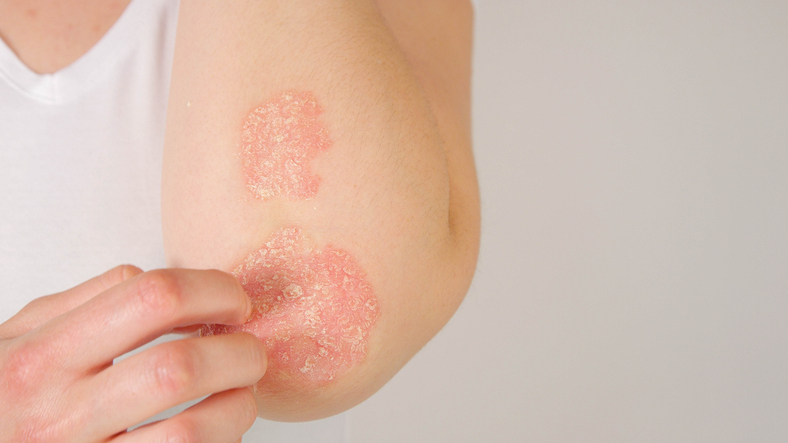
Psoriasis is a chronic inflammatory disease of the skin that makes skin cells grow faster than usual, causing them to pile up. While the condition takes many forms, about four in five patients have plaque psoriasis, the type that causes red, raised patches of skin covered with silvery-white scales. If you’re living with psoriasis in New Jersey, you can find relief at Geria Dermatology.
Psoriasis can affect many regions of the body. Typically, it appears on the face, scalp, elbows, knees, palms, knees, lower back, legs, and the soles of the feet.
Although psoriasis takes many forms, most patients are affected by one of the following:
Plaque psoriasis
Plaque psoriasis, the most commonly diagnosed type, causes patches of dry skin that are raised, red, and overlaid with white or silvery scales. These lesions may be few or many and can appear anywhere.
Guttate psoriasis
This type of psoriasis is often brought on by a bacterial infection and mostly affects children and adolescents. It causes small scaling lesions on the arms, legs, trunk, or scalp.
Psoriatic arthritis
This form of psoriasis is unique in that it causes swollen, painful joints as well as inflamed, scaly patches of skin. Symptoms may be mild or severe and can affect any joint.
Inverse psoriasis
Usually triggered by a fungal infection, inverse psoriasis causes patches of smooth, red, skin in the armpits, groin area, or under the breasts. The inflammation gets worse with sweating or rubbing.
Other types of psoriasis include erythrodermic psoriasis, pustular psoriasis, and nail psoriasis.
Nail psoriasis
Nail psoriasis typically develops years after psoriasis begins, however, it’s possible to have this condition even without visible skin psoriasis. Common symptoms include “nail pits” (tiny dents), white, yellow, or brown discolorations, crumbling nails, separation from your fingers or toes, build-up beneath your nails, and even blood under your nails.
What causes Psoriasis?
Researchers believe that both genetic and environmental factors play a role in the development of psoriasis, which isn’t contagious. Factors that are known to trigger the condition or make it worse include:
- Skin injuries, including cuts or sunburns
- Specific infections, including strep throat
- Prolonged vitamin D deficiency
- Chronic psychological stress
- Specific medications, including beta blockers
- Smoking or heavy alcohol consumption
What are common Psoriasis treatments?
Psoriasis is incurable, so the primary goal of treatment is to successfully manage the condition by reducing inflammation and clearing your skin.
For mild to moderate cases, applying topical creams and lotions directly to lesions can provide excellent results.
These creams and lotions are formulations of retinoids to slow cellular growth, coal tar to treat a number of symptoms, or corticosteroids. For scalp psoriasis, salicylic acid shampoo may be prescribed.
XTRAC laser is a state-of-the-art psoriasis treatment that involves controlled exposure to ultraviolet light to help slow cell turnover and reduce scaling and inflammation. Because light therapy doesn’t target healthy tissues, it can safely deliver a high-dose treatment for faster clearing and longer remission.
One of the many perks of XTRAC is that it requires fewer therapy sessions can clear up mild to moderate plaques from psoriasis faster than natural sunlight or artificial UV light, and has been shown to reduce lesions in areas that are harder to treat, including the knees, elbows, and scalp. This helps reduce the total UV dose administered to a patient and decreases the possibility of damage to the skin. It’s also possible to have long remission periods between outbreaks.
The amount of time it takes to undergo full treatment with XTRAC varies depending on a person’s skin type and the thickness and severity of their psoriasis lesions.
For more information on XTRAC Laser Therapy, please visit its dedicated page HERE.
Biological treatments
SKYRIZI®
SKYRIZI is a prescription medicine approved by the FDA for use in treating adults with moderate to severe plaque psoriasis who may benefit from taking injections or pills.
When using SKYRIZI to treat psoriasis, your provider will inject two doses (about 150 mg in total) under your skin. The treatment is repeated four weeks after the initial injection, and followed by every three months. Depending on your comfort level, we can teach you how to perform these injections at home. If there is no visible improvement after about 4 months (three injection periods), we may need to consider alternative treatment options.
TREMFYA®
TREMFYA is another medication given by injection under your skin as directed. Your first dose will be delivered in our practice, but just like SKYRIZI, you will be able to perform the remaining treatments at home after the first dose. Your next dose should be received a month later, followed by doses every 8 weeks. The injection is given in the upper arms, thighs, or abdomen (at least 2 inches from your belly button), but if this is a route you’d like to try, we will inform you how to properly use the medication on your own.
Psoriasis Treatment recovery
Psoriasis is one of those conditions that are incurable, but our treatments can provide clearer skin and no psoriasis symptoms for a longer period. Psoriasis is notoriously unpredictable, so it’s impossible to know who will have a remission and how long it will last, however, many patients have seen it last for months or even years. Please keep in mind that even if your psoriasis is cleared, it is most likely to return at some point. When this does occur, treatments from Geria Dermatology can help keep it under control so that your psoriasis does not worsen.
Why Choose Geria Dermatology?
At Geria Dermatology, you’ll experience the difference of a boutique, physician-led practice—where care is personal, thoughtful, and never rushed. We are not a corporate, private equity–backed dermatology group. Instead, our focus is on building long-term relationships and delivering care that is guided by quality, integrity, and results—not volume.
Your care is provided by a collaborative team of board-certified dermatologists and highly experienced, board-certified physician assistants who work closely together to ensure consistency, safety, and exceptional outcomes. This team-based approach allows us to deliver comprehensive care while maintaining the warmth and attention of a smaller practice.
We offer full-spectrum medical dermatology, including skin cancer screenings and Mohs micrographic surgery, alongside advanced cosmetic services such as injectables, lasers, and skin rejuvenation. Our deep medical expertise informs every cosmetic treatment, allowing us to prioritize natural-looking results and long-term skin health.
Patients choose Geria Dermatology for our boutique experience, trusted medical expertise, and refined cosmetic approach—all delivered in a practice where your skin and confidence truly come first.
Contact Us
Dedicated to Exceptional Service
Patients who are looking for psoriasis treatment in New Jersey should contact Geria Dermatology immediately to set up a consultation. We will be happy to do a thorough medical evaluation of your condition, discuss your treatment options, and recommend an effective course of action. Contact us today!