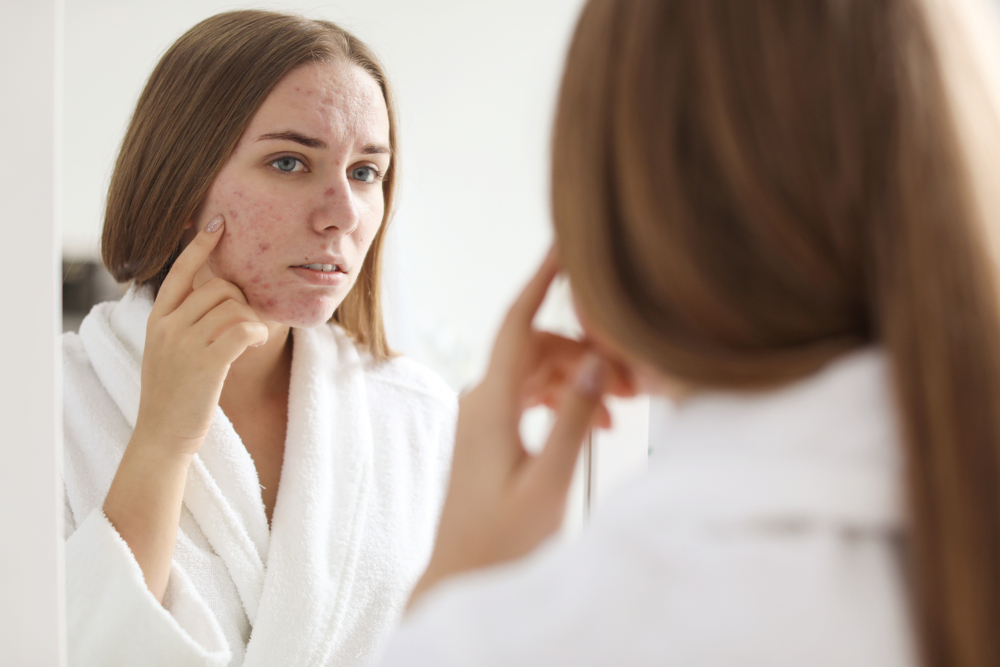
Acne can feel like a never-ending cycle—just when one breakout clears, another seems to take its place. You might be trying drugstore products, home remedies, or trending hacks, but still not seeing the results you want. How do you know when it’s time to move beyond DIY options and seek professional acne treatment?
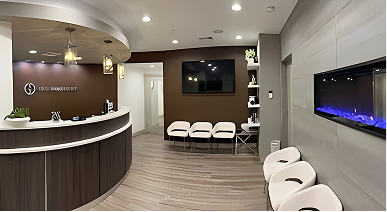
At Geria Dermatology in Rutherford, NJ and Verona, NJ patients benefit from an individualized approach that focuses on education, science-based care, and long-term improvement. Led by board-certified dermatologist Dr. Aanand Geria, the practice combines advanced therapies with a deep understanding of each patient’s unique skin needs.
Signs It’s Time to See a Dermatologist for Acne Treatment
Not all acne requires medical care, but certain situations call for expert evaluation. If you notice any of the following, it may be time to schedule an appointment:
- Persistent breakouts: Acne that lasts for months despite over-the-counter products
- Moderate to severe acne: Painful cysts, nodules, or widespread inflammation
- Scarring or dark spots: Early intervention can reduce the risk of long-term skin damage
- Emotional impact: Acne affecting your confidence or daily life.
- Adult acne: Breakouts that begin or continue into adulthood
A dermatologist can help you get to the root of your acne and recommend remedies that go beyond surface-level solutions.
Acne Evaluation
A very common problem with acne is not knowing what type you have—because different types require different treatments. Using the wrong approach can make it worse instead of better.
Here are the main types of acne:
- Comedonal acne: Blackheads and whiteheads caused by clogged pores.
- Inflammatory acne: Red, swollen pimples like papules and pustules.
- Nodular acne: Large, painful bumps deep under the skin.
- Cystic acne: Severe, pus-filled lesions that can lead to scarring.
- Hormonal acne: Typically along the jawline and chin, linked to hormonal changes.
- Bacterial acne: Driven by overgrowth of acne-causing bacteria (often overlaps with inflammatory acne).
- Fungal acne (also called pityrosporum folliculitis): Caused by yeast, often appears as small, itchy, uniform bumps—commonly on the chest, back, or forehead.
If you’re not sure which type you have, getting the right diagnosis is key—because each type responds best to a different treatment.
Why Over-the-Counter Products Aren’t Always Enough
While cleansers, spot treatments, and topical creams can help mild acne, they often fall short for more stubborn cases.
Common limitations include:
- Lower concentrations of active ingredients
- One-size-fits-all formulas
- Lack of targeted care for hormonal or cystic acne
What to Expect From Professional Acne Treatment
Seeing a dermatologist opens the door to more advanced, personalized options that can address acne at its source. Solutions may include:
- Topical prescriptions to reduce inflammation and bacteria
- Oral medications for hormonal or severe acne
- Chemical peels or light-based therapies for better skin clarity
- Professional-grade skincare to support long-term improvement
At Geria Dermatology, our team of professionals take the time to understand your concerns and guide you through each step, helping you feel informed and confident.
Take Control of Your Skin With Expert Care
Acne doesn’t have to be something you “just live with.” Knowing when to talk to a professional can make a major difference in your results. With the right acne treatment plan, clearer skin is within reach. Call Geria Dermatology today at (201) 623-8000 to schedule an appointment.